
In every production environment the camera operator determines the working rhythm of the edit long before the editor opens a timeline. The raw material leaving the camera already contains the structure, energy, and continuity that the editor will later try to shape into a coherent story. When footage is stable, long enough, consistently exposed, and supported by relevant b-roll, the edit becomes fluid and creative. When these fundamentals are missing, editing turns into slow, technical rescue work rather than storytelling.
Why This Matters
Strong camera work turns editing into storytelling. Weak camera work turns editing into technical rescue
Camera stability: the foundation of usable footage
Instability is the most common complaint editors raise. Handheld shots with micro-shakes, drifting frames, or soft, uncontrolled movement often require stabilisation in post. While modern software can reduce visible shake, it does so by cropping and softening the image, increasing render times and reducing overall picture quality. In many cases editors prefer to discard unstable shots entirely, which limits coverage and weakens sequences.
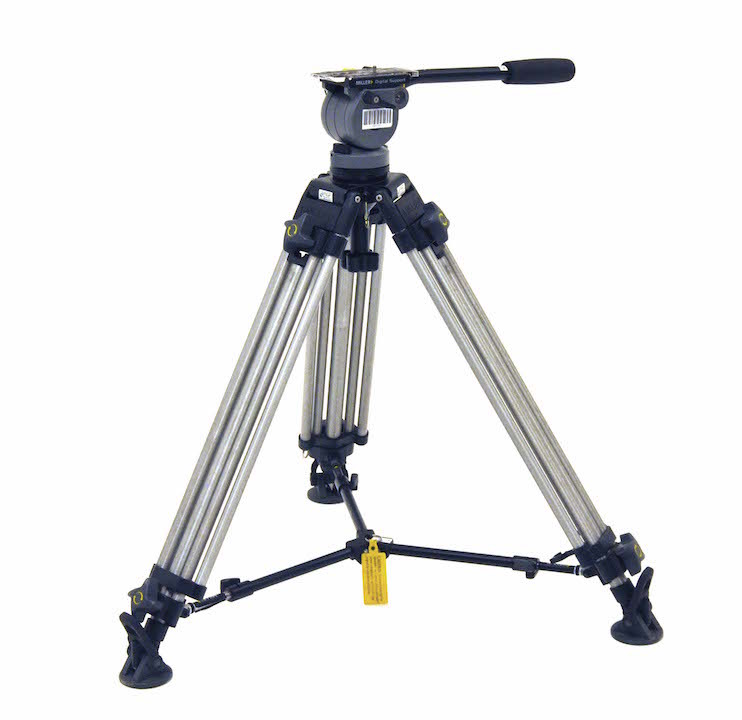
The simplest solution is mechanical support. A solid tripod with a proper fluid head remains the most reliable stability tool in television production. A quality tripod does more than keep the picture still; it allows controlled pans, repeatable moves, and clean starts and stops. Cheap tripods tend to flex or stick, creating jerky motion that cannot be repaired later.
Stability is not about freezing the image, but about control. Editors respond better to footage where movement is deliberate and repeatable. A stable frame gives the cut somewhere to land, and a controlled move gives it somewhere to go.
Gimbals and stabilised rigs are useful for movement shots, but only when used deliberately. Smooth footage depends as much on the operator’s footwork and planning as on the equipment itself. Short steps, controlled breathing, and rehearsed moves turn a gimbal into a professional tool rather than a novelty.
Distance also affects stability. Long focal lengths magnify every small movement. Whenever possible, operators should move closer to the subject and use wider lenses rather than zooming in from far away. Wider focal lengths are more forgiving and provide editors with greater spatial context.
Shot duration: giving the edit room to breathe
Another frequent frustration is shot length. Many camera operators cut too quickly, often because they are thinking ahead to the next moment. From the editor’s perspective, the shot may technically exist, but there is very little room to work with.
Editors need handles. As a general rule, they require three to five seconds before and after the main action of a shot. These extra seconds allow for smoother transitions, cutaways, and pacing adjustments. Without them, edits become abrupt and rushed, even when the content itself is strong.
The same principle applies to camera moves. Before a pan or tilt begins, the frame should be held steady. After the move finishes, the new framing should also be held. This creates a complete shot that can be shaped in multiple ways on the timeline rather than forcing the editor into hard cuts.
Exposure: solving problems on set instead of in post
Exposure issues are among the most difficult problems to correct after the fact. Shooting into harsh backlight, allowing deep shadows across faces, or clipping highlights forces colour correction into extreme territory. Heavy corrections often introduce noise, colour shifts, and inconsistencies across shots, making it difficult to achieve a coherent look.
Good exposure begins with simple positioning. Turning a subject slightly away from direct backlight or choosing open shade can dramatically improve facial exposure. Reflector boards are among the most effective and affordable tools available to camera crews. Even a basic white reflector can lift shadows and restore detail without changing the overall mood of a scene.
Small LED lights play a similar role indoors or in low-light conditions. A single, well-placed light can stabilise exposure across shots, ensuring consistency and allowing the grade to remain a creative process rather than a technical repair exercise.
When options are limited, the most important rule is to expose for the face. Background highlights can tolerate some loss of detail, but underexposed faces quickly become noisy and lifeless. Consistent exposure across shots gives editors far more freedom in shaping the final look.
B-roll: the visual glue of the edit
A shortage of b-roll affects almost every edit, from short news inserts to long-form documentaries. B-roll is not filler; it is the material that hides cuts, reinforces meaning, and maintains visual rhythm. Without it, edits become repetitive and visually abrupt.
Effective b-roll begins with planning. Consulting the script, running order, or interview questions before shooting helps identify the visuals needed to support the story. After interviews, listening back to key sound bites often reveals exactly what pictures are missing.
On location, b-roll should be gathered in layers. Establishing shots place the viewer in the environment. Medium shots show actions and interactions. Close-ups reveal detail and emotion. Movement shots provide transitions and energy. Together, these elements give editors the raw material needed to build sequences that feel intentional rather than improvised.
Even a short period of focused b-roll gathering can save hours in the edit. Thoughtful coverage gives editors choices, and choice is the foundation of effective storytelling.
Framing and movement: creating real variety
Another issue editors encounter is repetitive framing. Shooting a wide shot, then zooming to a medium, then zooming again to a close-up from the same position creates technically different shots but identical perspective. When cut together, these sequences feel flat and predictable.
Editors respond far better to footage where the camera has physically moved. A small change in angle, height, or position introduces new spatial information and refreshes the viewer’s perception of the scene. Even a few steps to one side can transform how a sequence cuts together.
Relying on zoom to create variety often results in compressed perspective and limited visual interest. Deliberate reframing, short pans, or repositioning the camera adds depth and context that zooming alone cannot provide. These choices give editors genuine alternatives rather than cosmetic variations.
Log shooting: powerful when used with discipline
Log recording profiles are increasingly common in professional television production. Log captures a wider dynamic range by recording a flatter, lower-contrast image that preserves highlight and shadow detail. This makes log particularly valuable for documentaries, flagship magazine inserts, and programmes intended for long-term reuse or resale.
However, log is not a shortcut for fixing mistakes later. It demands discipline at the point of capture. White balance must be consistent, as small shifts become obvious during grading. ISO must be kept under control, ideally close to the camera’s base or native value. Exposure must be deliberate, because underexposed log footage quickly becomes noisy when lifted in post.
When handled correctly, log footage gives editors and colourists greater freedom to shape a consistent, high-quality look. When handled carelessly, it increases workload and reduces image quality. Log is most effective when used intentionally for productions that genuinely benefit from its flexibility rather than as a default setting.
Camera operators and editors serve the same story
Camera operators and editors are not separate stages in the process; they are collaborators serving the same narrative. When operators understand what editors need, workflows become faster and more creative. Shots last longer, exposure matches more closely, and b-roll supports meaning rather than filling gaps. This shared understanding transforms post-production from technical repair into expressive storytelling.
This relationship forms the foundation of the training programme being developed for 2025, which focuses on camera operation, visual grammar, exposure control, and post-production flow as a single, connected craft. When footage leaves the camera with clarity and intention, the edit no longer struggles. It breathes.
Join the 2025 Training Programme
If you’d like early access, course details, and a discounted pre-registration rate before 31 December 2025, click below: